
Why does botanical origin matter?
The cannabis plant used as the source material can strongly influence the characteristics of the resulting resin-based preparation. Genetic differences affect trichome development, cannabinoid composition, terpene profiles, aroma, and physical properties. Hash should therefore be understood as a material whose characteristics begin with the biology of the plant itself.
Jump To
- Why does botanical origin matter?
- What are trichomes and why are they important?
- How does genetics influence aroma?
- Why can two samples look different?
- Does texture reveal chemical composition?
- What environmental factors influence the final characteristics?
- Why should appearance be interpreted carefully?
- What can laboratory analysis reveal?
- How should consumers understand variations?
- What is the main conclusion?
Environmental conditions can further influence these characteristics. Growing conditions, plant maturity, harvesting practices, and post-harvest handling all contribute to the final material.
What are trichomes and why are they important?
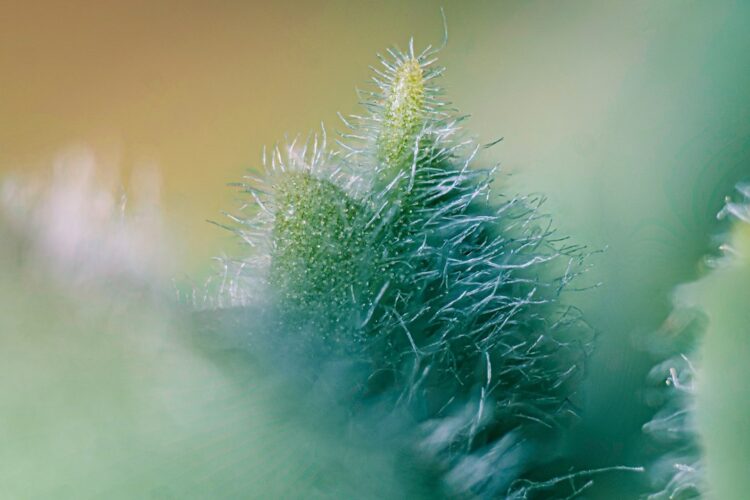
Trichomes are microscopic structures found on cannabis plants that produce resin containing cannabinoids and aromatic compounds. Their concentration and development are important factors in cannabis resin production.
Trichomes can differ in size, structure, maturity, and resin characteristics. These biological differences may influence the appearance and chemical profile of concentrated material derived from them.
How does genetics influence aroma?
Cannabis genetics can influence terpene production. Terpenes are naturally occurring aromatic compounds responsible for many of the distinctive smells associated with cannabis.
Depending on the plant variety, an aromatic profile may be described as earthy, floral, herbal, woody, spicy, or citrus-like. These descriptions are subjective, but they can help characterize differences between botanical sources.
Why can two samples look different?
Differences in source material, trichome maturity, processing, and storage can produce noticeable variations. One sample may appear pale and dry, while another may be darker and more pliable.
Physical characteristics can also change over time. Exposure to air, light, heat, and moisture may affect color and texture, making the original appearance difficult to assess after extended storage.
Does texture reveal chemical composition?
Texture can describe physical condition but does not provide a complete chemical assessment. A soft or sticky material does not necessarily have a particular cannabinoid profile, just as a dry material does not automatically indicate a specific composition.
Scientific analysis is needed to establish measurable chemical properties.
What environmental factors influence the final characteristics?
Temperature, humidity, light exposure, and air contact can affect plant material and resin. Environmental conditions during cultivation can influence plant development, while conditions after processing can affect stability.
These factors demonstrate why the same general category of cannabis-derived material can have a wide range of physical characteristics.
Why should appearance be interpreted carefully?
Visual inspection is useful for describing a material but has clear limitations. Color, texture, and surface appearance cannot reliably confirm purity, potency, or freedom from contaminants.
Professional evaluation therefore combines observation with appropriate analytical information whenever reliable conclusions are required.
What can laboratory analysis reveal?
Laboratory testing can identify cannabinoid profiles and may screen for various contaminants. Such information provides a more objective basis for understanding chemical composition.
Testing is especially relevant because unwanted substances cannot always be detected through sight or smell.
How should consumers understand variations?
Variations should not automatically be interpreted as evidence of superior or inferior quality. They may simply reflect different botanical sources, processing traditions, storage conditions, or aging.
A neutral approach focuses on measurable characteristics and avoids assumptions based solely on appearance.
What is the main conclusion?
The characteristics of hash develop through a combination of plant genetics, trichome biology, environmental conditions, processing, and storage. Understanding these influences makes it easier to distinguish observable features from verified chemical properties. A professional perspective recognizes natural variation while emphasizing laboratory information for dependable conclusions about composition and safety.
At a Glance
- The characteristics of hash are influenced by the cannabis plant’s genetics, trichome development, and environmental conditions.
- Trichomes on cannabis plants are essential for producing resin that contains cannabinoids and aromatic compounds, impacting the quality of concentrated material.
- Cannabis genetics can significantly determine the aroma profile of the plant, with terpenes contributing to distinct smells that vary by variety.
- Visual inspection of cannabis material has limitations, as color and texture cannot reliably indicate purity or chemical composition without professional evaluation.
- Laboratory testing can provide objective insights into cannabinoid profiles and contaminants, which can’t always be detected by sight or smell.
- Variations in cannabis-derived products should be viewed as a reflection of different sources and processes rather than as indicators of quality.